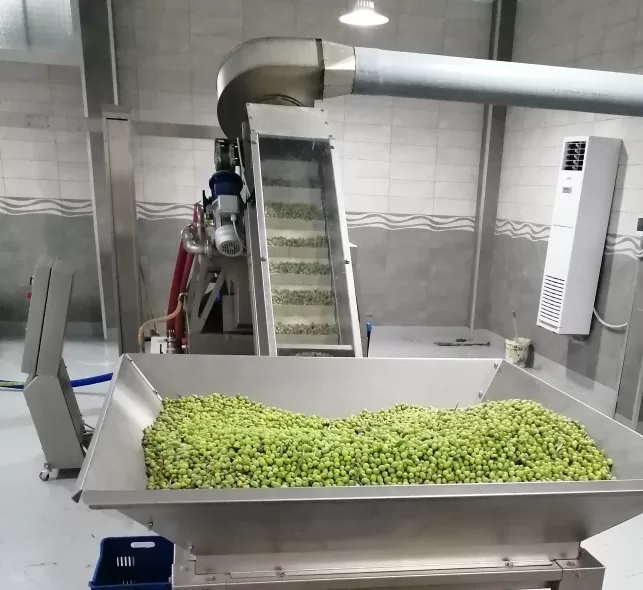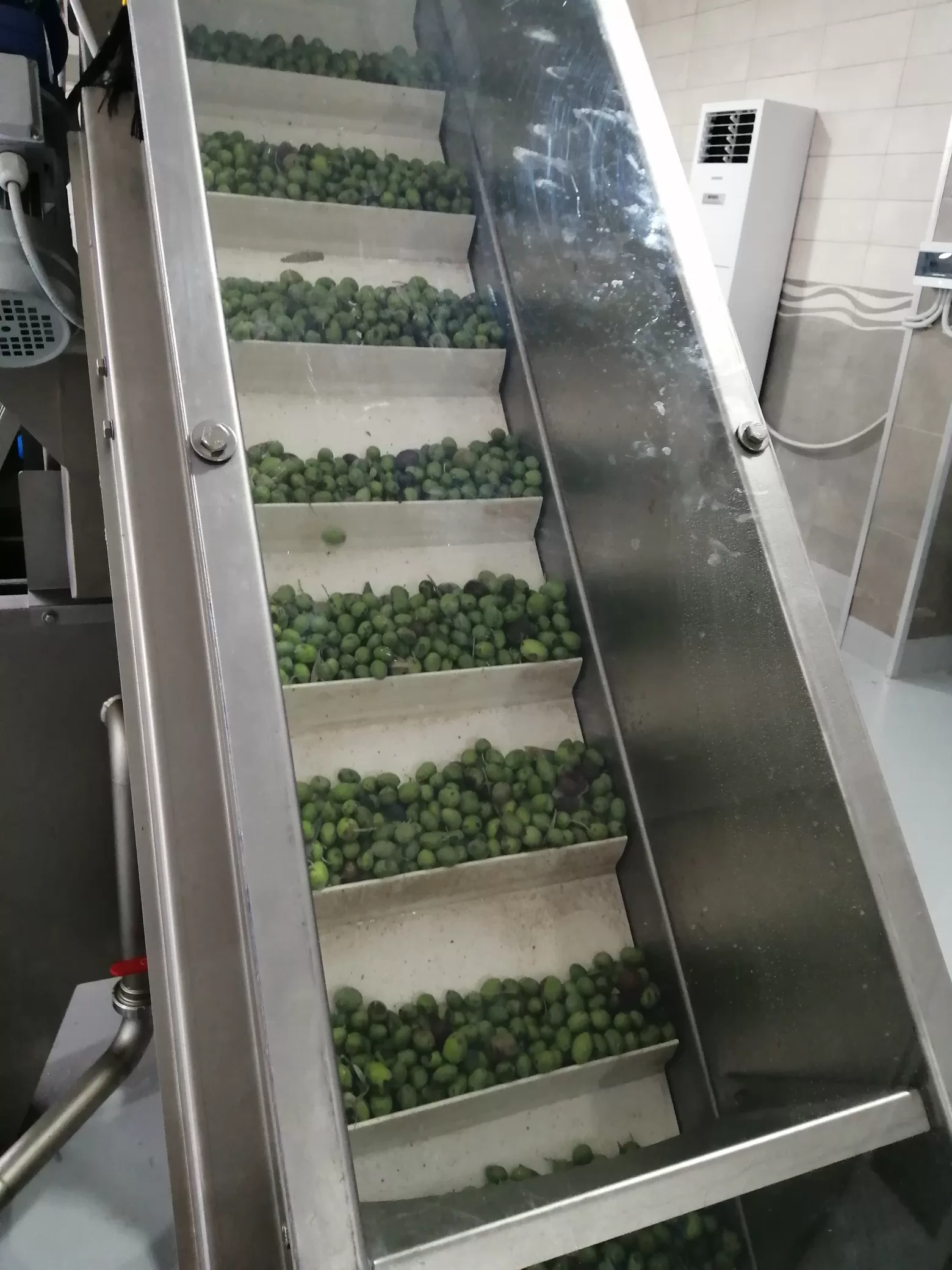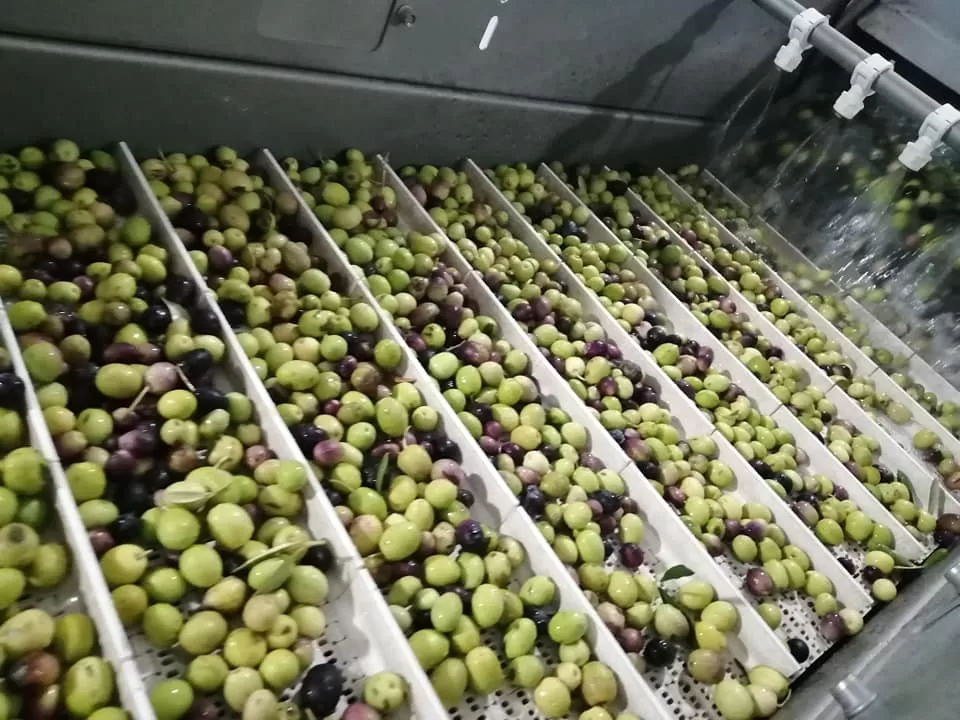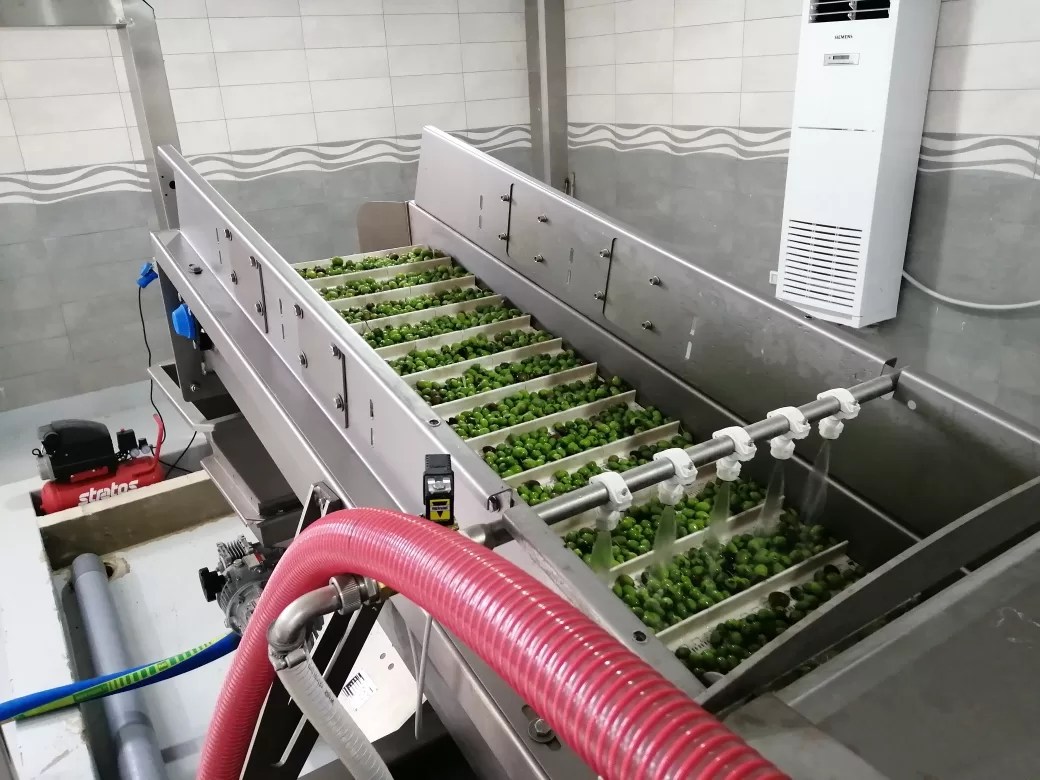
GRINDING THE OLIVES INTO A PASTE
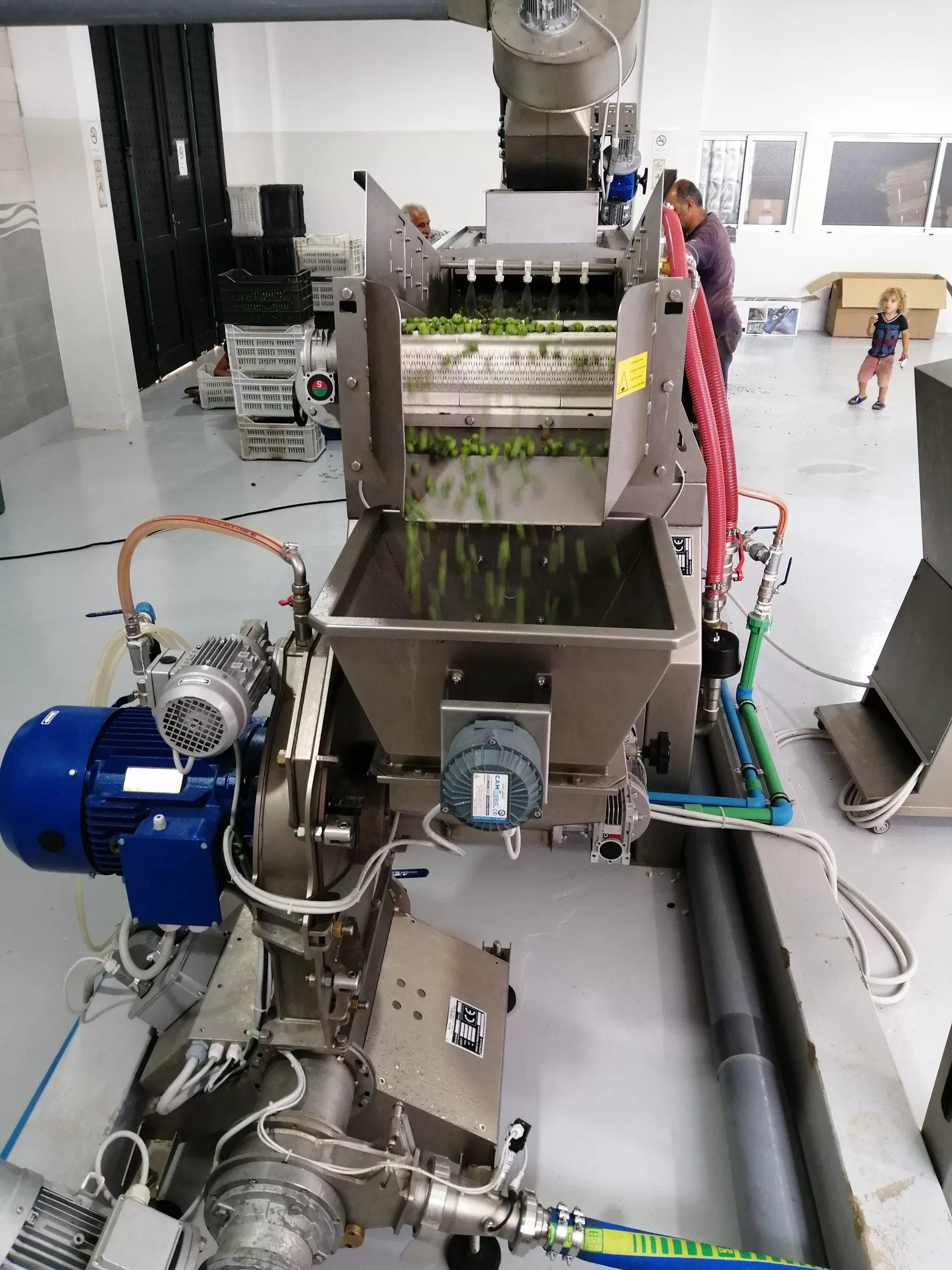
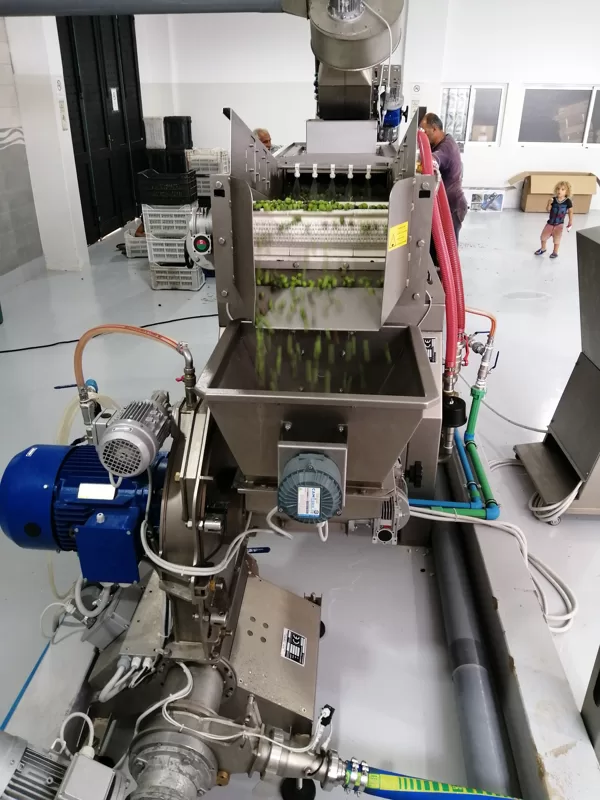
The second step is crushing the olives into a paste. The purpose of crushing is to tear the flesh cells to facilitate the release of the oil from the vacuoles. This step can be done with stone mills, metal tooth grinders, or various kinds of hammermills.
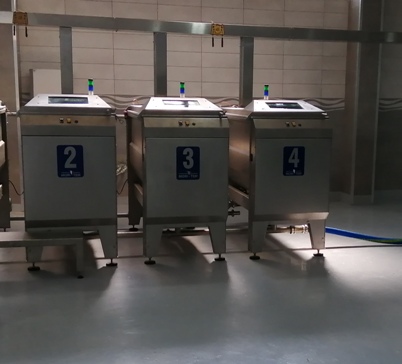
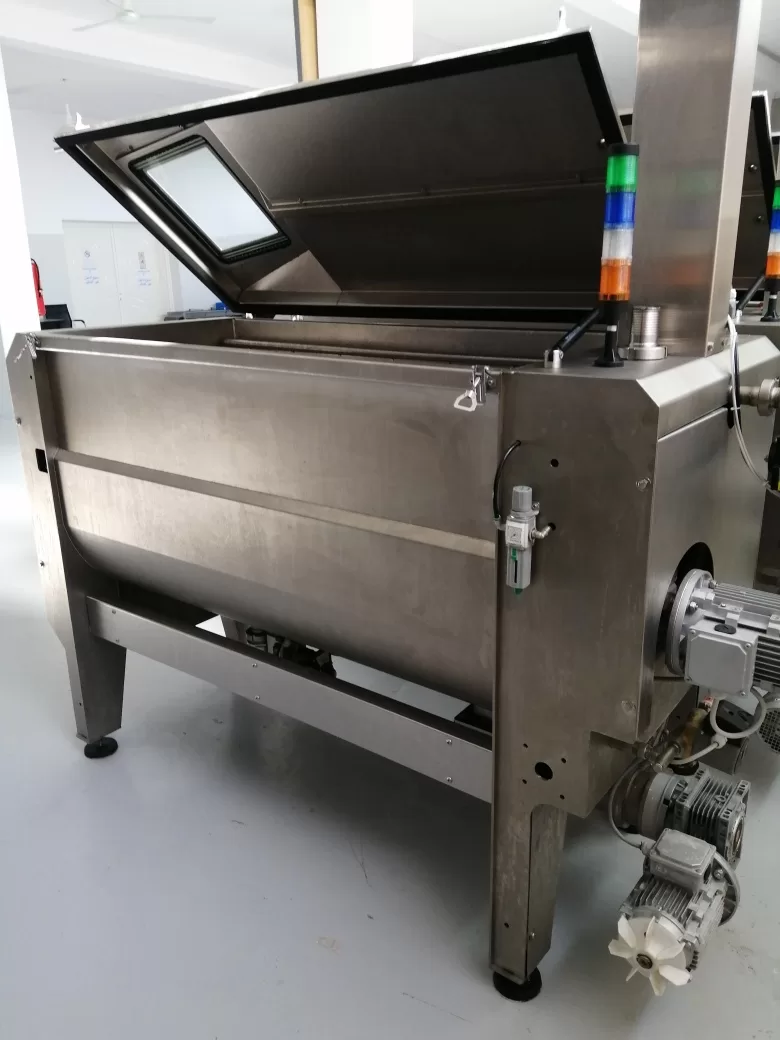
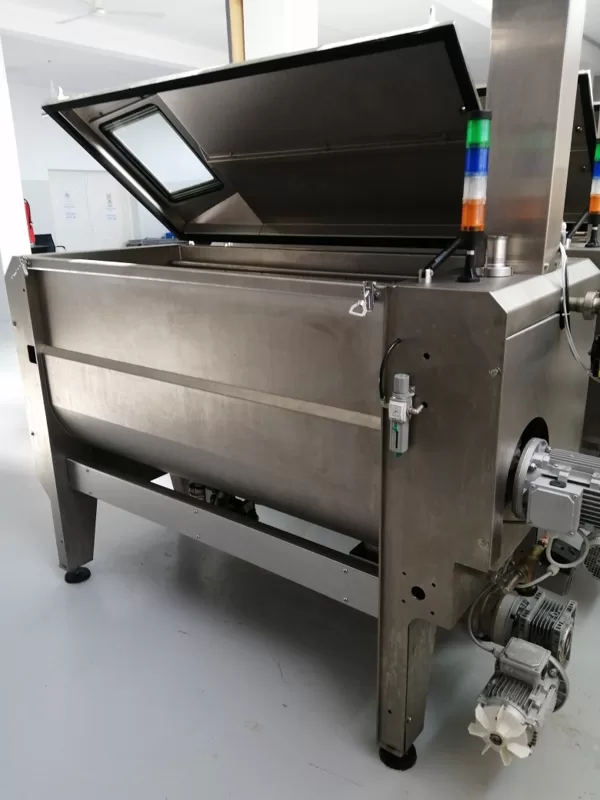
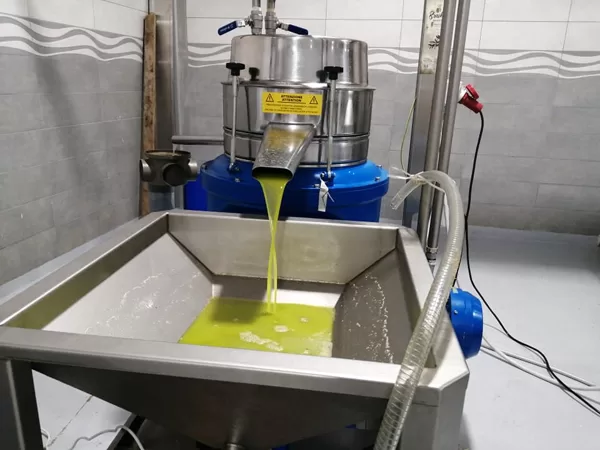
Once the fruits have been crushed, the semi-solid paste is dropped into the next machine (Malaxer).
.
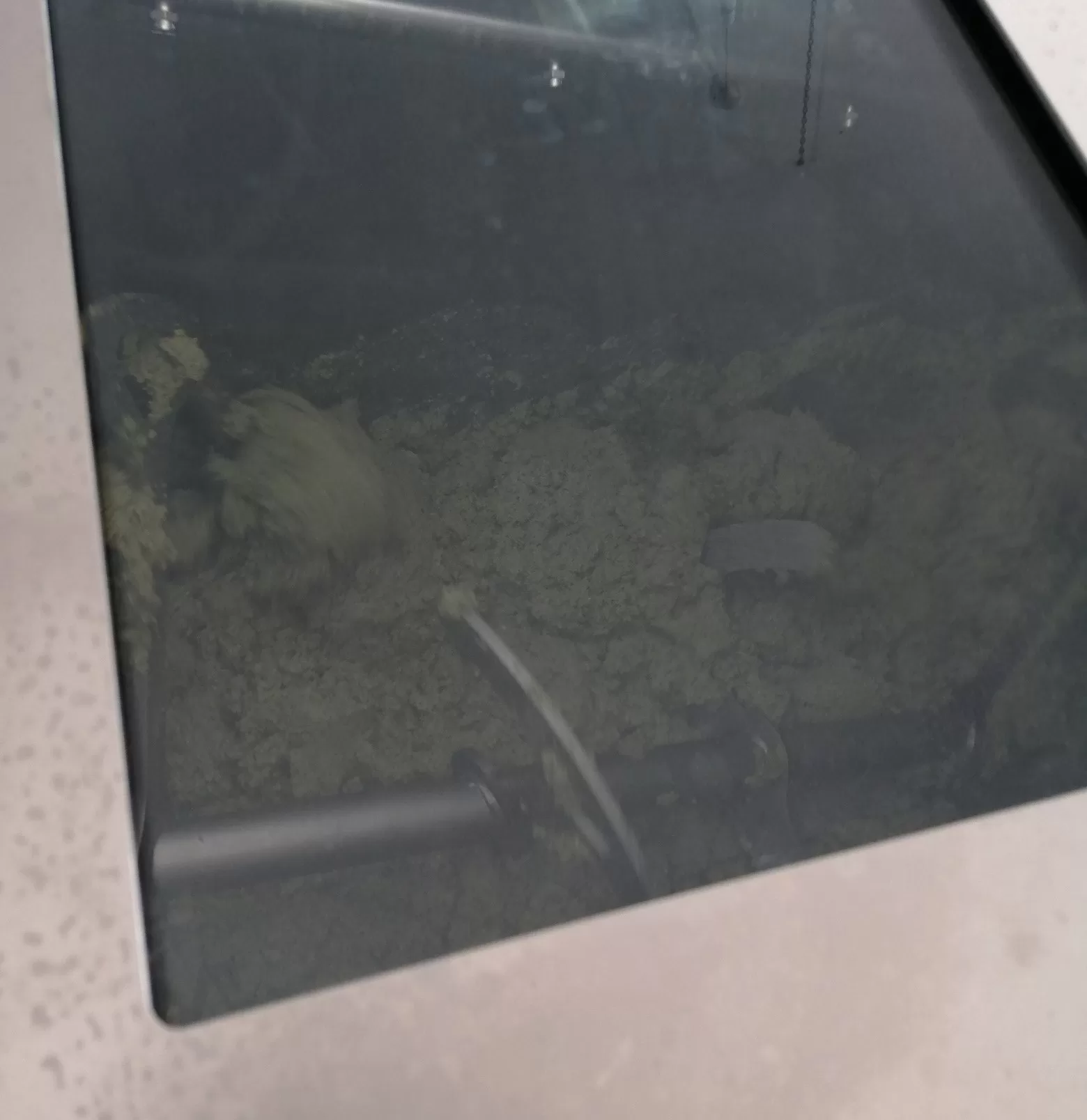
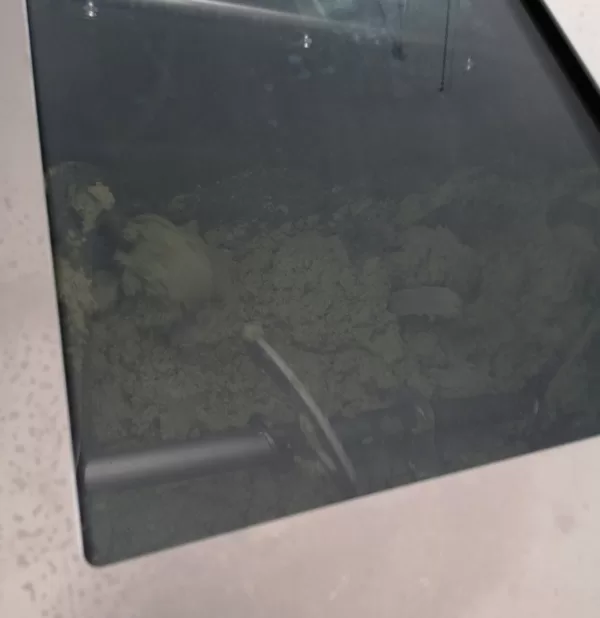
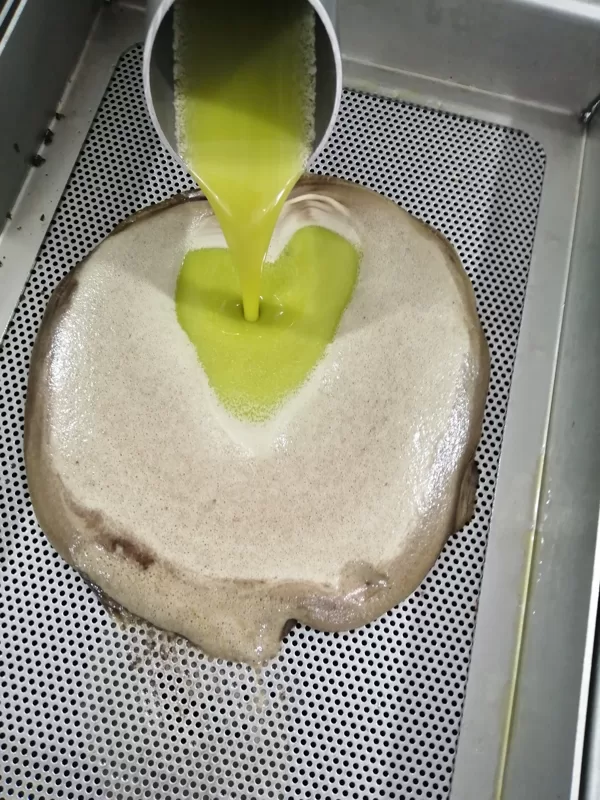
We're looking (picture) into the metal blade grinding trough which turns the crushed the olives into a paste.
Malaxing (mixing) the paste for 20 to 45 minutes allows small oil droplets to combine into bigger ones,and the fruit enzymes to create aromas.
We can add water to the paste during this process to increase the yield, although this generally results in lowering the quality of the oil. The most common mixer is a horizontal trough with spiral mixing blades. Longer mixing times increase oil yield but allows a longer oxidation period that decreases shelf life.
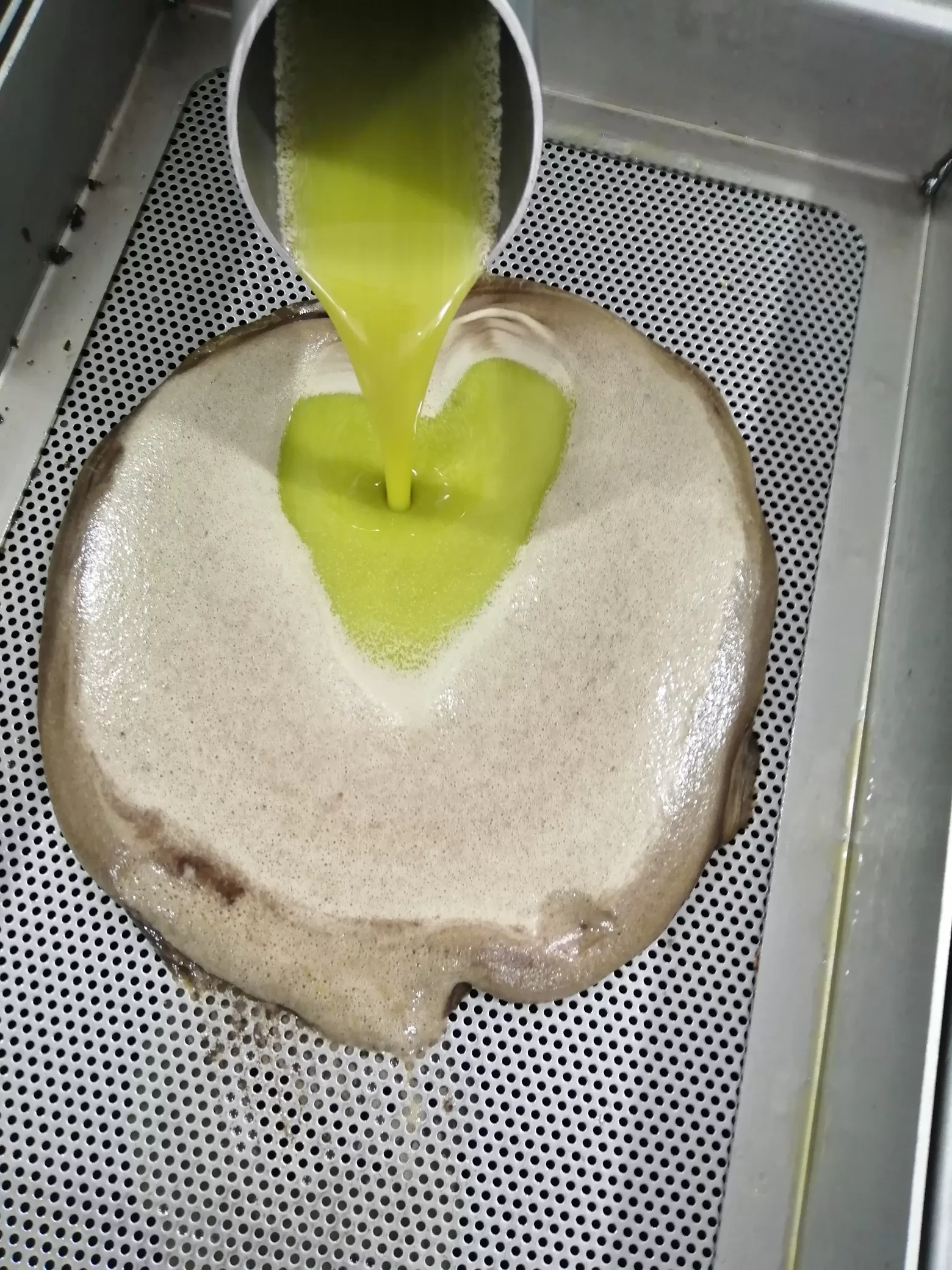
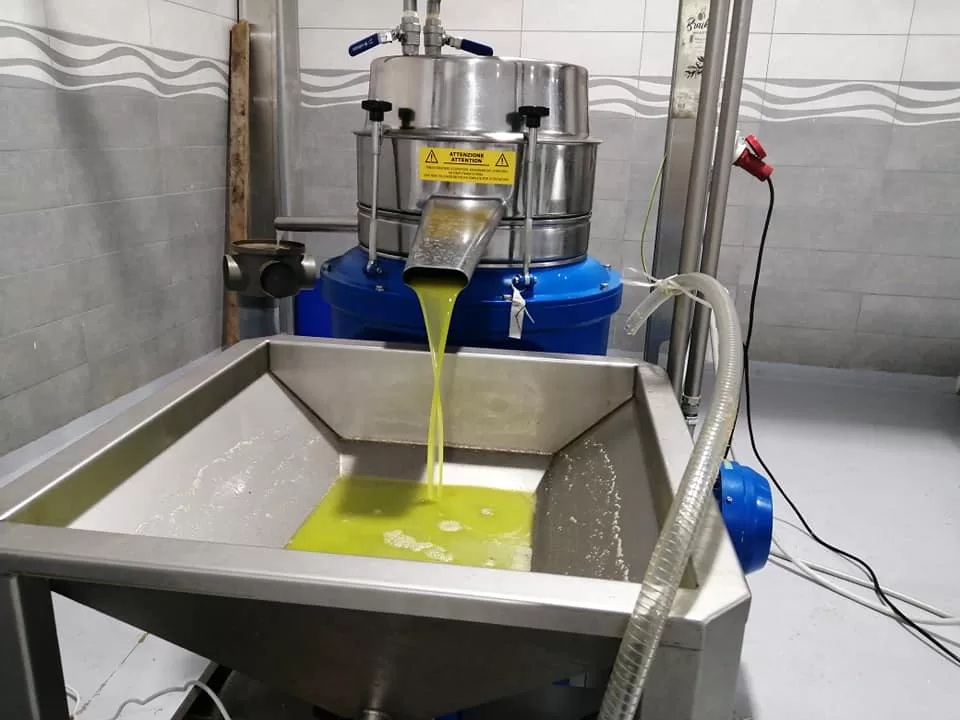
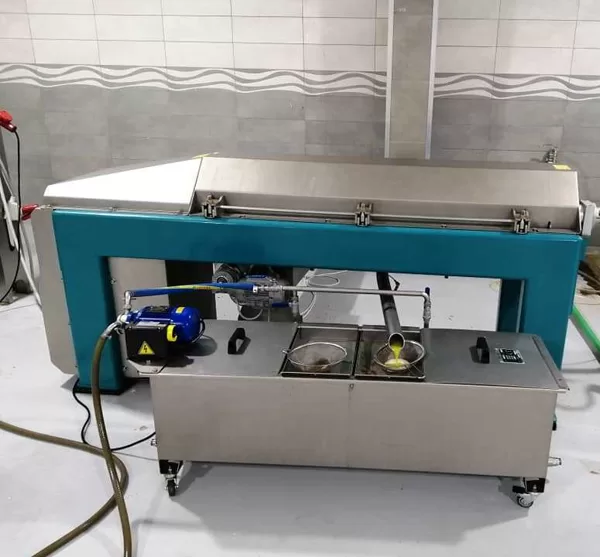
SEPARATING THE OIL FROM THE VEGETABLE WATER AND SOLIDS
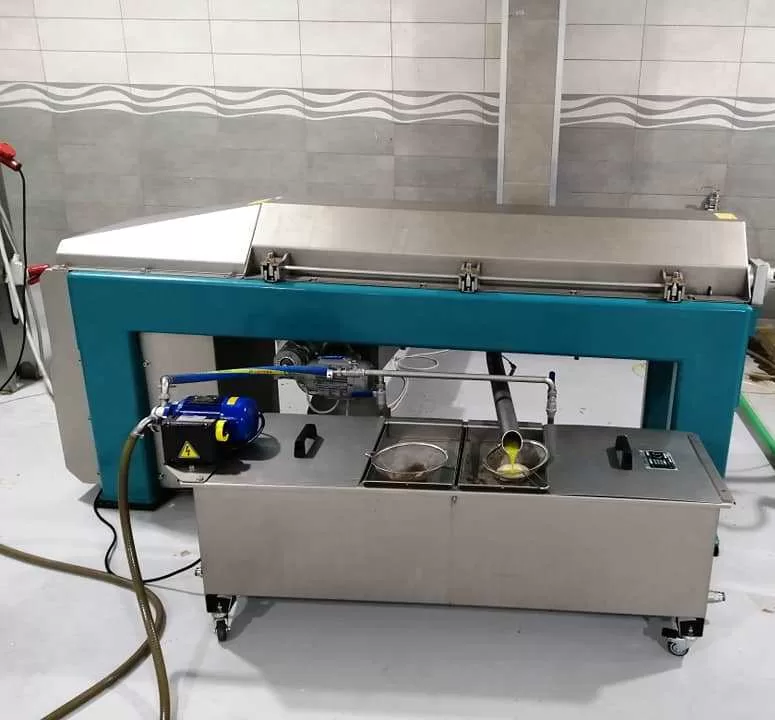
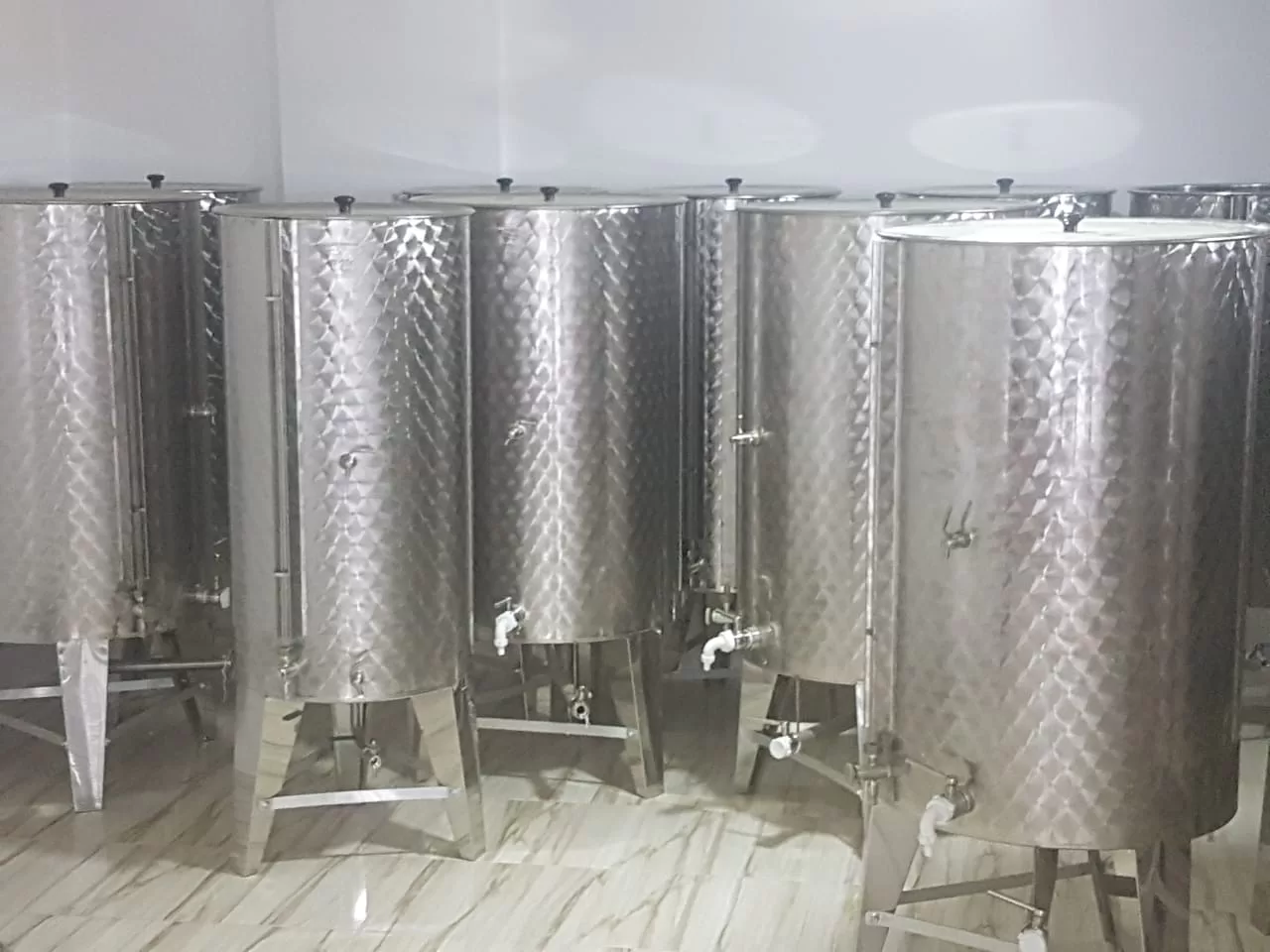
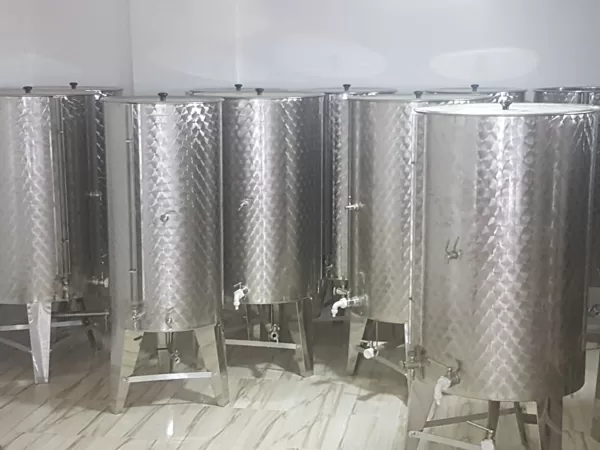
The oil is then left in tanks or barrels where a final separation, if needed, happens through gravity. This is called racking the oil. Finally the oil can be filtered, if desired.